

insulated glass company
Understanding Internal Thread Gauges A Key Tool in Precision Engineering In the realm of precision engineering, the importance of accurate measurement cannot be overstated. Among various tools that facilitate this process, internal thread gauges play a pivotal role. These gauges are meticulously designed to ensure the accuracy of threaded holes, which are fundamental components in numerous mechanical assemblies. This article delves into the significance, types, and applications of internal thread gauges in today’s manufacturing landscape. What is an Internal Thread Gauge? An internal thread gauge is a specialized instrument used to measure the size, pitch, and quality of internal threads in a variety of materials. These threads are typically found in cylindrical components and are crucial for ensuring that screws, bolts, and other fasteners fit correctly. The precision offered by internal thread gauges helps prevent assembly issues that could arise from poorly threaded holes, which can ultimately lead to equipment failure or safety hazards. Types of Internal Thread Gauges There are several types of internal thread gauges, each designed for specific measurement tasks 1. Go/No-Go Gauges These are among the most commonly used internal thread gauges. They consist of two parts a Go gauge that should fit into the thread, indicating that the threads are of acceptable size, and a No-Go gauge that must not fit, indicating rejection if it does . This binary system helps ensure that threads meet the specified tolerances. 2. Thread Measuring Wires This method involves using finer wires to measure the pitch diameter of the internal thread. By placing the wires into the threaded hole and measuring the total length, engineers can calculate whether the dimensions meet the required specifications. 3. Plug Gauges Similar to Go/No-Go gauges but designed for precision, plug gauges provide an exact measurement and are often used for more critical applications where tight tolerances are mandatory. internal thread gauge Applications of Internal Thread Gauges Internal thread gauges find application across various industries. Here are a few key sectors where they are indispensable - Manufacturing In the manufacturing sector, maintaining quality is essential. Internal thread gauges ensure that threaded holes are produced within stringent tolerances, which is crucial for manufacturing components that require high precision. - Aerospace In aerospace engineering, the reliability of components is paramount. Internal thread gauges help maintain the safety and integrity of aerospace assemblies, where even a minor defect could have severe consequences. - Automotive The automotive industry relies on robust threading for assembly lines and mechanical connections. Internal thread gauges help assure that components fit together perfectly, reducing the risk of failures or malfunctions in vehicles. - Construction In construction, threaded holes are common in structural applications. Using internal thread gauges ensures that bolts and fasteners fit snugly, contributing to the overall stability and safety of structures. Conclusion Internal thread gauges are invaluable tools in precision engineering, aiding in the measurement and verification of internal threads across various industries. Their role in ensuring quality and safety cannot be overstated, as they help prevent assembly issues that could lead to catastrophic failures. As technology advances, the design and functionality of these gauges continue to evolve, but their fundamental purpose remains unchanged. For manufacturers and engineers, the ability to accurately measure and assess threaded holes is a cornerstone of quality assurance, making internal thread gauges an essential part of the toolkit in modern engineering practices.
about
insulated glass company
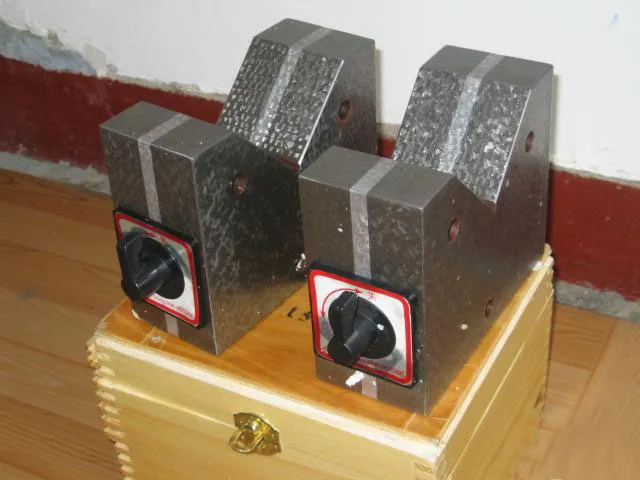
Metal vs. Block An In-Depth Comparison in Modern Applications In the ever-evolving realm of materials science, the choice between metal and composite blocks has become a critical topic for engineers and designers alike. Each material comes with its own set of advantages and challenges, which can significantly influence the performance, durability, and cost-effectiveness of a project. Metal vs . Block An In-Depth Comparison in Modern Applications However, metals do come with their downsides. They can be heavy, leading to increased weight in applications where reducing mass is crucial. Additionally, metals are susceptible to corrosion, which can compromise their integrity over time, especially in harsh environments. Engineers often need to consider protective coatings or alloying elements to mitigate these issues, which can add to the cost and complexity of projects. metal v block On the other hand, block materials—often referring to composite blocks—have gained popularity in recent years. Composites, made from a combination of materials such as plastics, fibers, and resins, offer exceptional lightweight properties without sacrificing strength. This characteristic has led to their widespread use in industries like sports equipment, marine applications, and even in some aerospace components. One notable advantage of composite blocks is their resistance to corrosion and environmental degradation. The non-metallic nature of these materials allows them to perform well in scenarios where metals would typically fail, such as exposure to saltwater or chemical environments. Moreover, composites can be engineered to exhibit specific properties tailored to particular applications, providing designers with unparalleled flexibility. However, the use of composite blocks is not without limitations. The manufacturing processes for composites can be more intricate and costly, especially when it comes to ensuring consistent quality and performance. Additionally, the repair of composite materials can be more challenging than traditional metal repairs, necessitating specialized knowledge and techniques. In conclusion, the choice between metal and block materials ultimately hinges on the specific requirements of a project. Metals provide unmatched strength and proven engineering benefits, while composites offer versatility and resistance to environmental challenges. Understanding the unique properties of each material allows engineers to make informed decisions that align with their project goals, ensuring optimal performance and longevity. As advancements continue in both fields, the debate between metal and block will undoubtedly keep evolving, highlighting the importance of innovation in materials science.
-

High quality industrial productsagement

High quality industrial products
View Details -

Meet the diverse needs of customers

Meet the diverse needs of customers
View Details -

Strict quality control

Strict quality control
View Details -

Top raw materials

Top raw materials
View Details -

Trusted supplier

Trusted supplier
View Details
Our application
news and information

Valvola di ritegno della piscina
Valvole di Controllo per Piscine Importanza e Funzioni Le piscine sono una meravigliosa aggiunta a q
Válvula de nível de água para controle eficiente em sistemas hidráulicos
A Importância da Válvula de Nível de Água No contexto da engenharia hidráulica e do gerenciamento de
water valve key types
Understanding Water Valve Key Types Water valves are essential components in various plumbing system
 English